3D Mockup, Podium, Pedestal: Creative Applications
In the crowded landscape of digital content, the way you present an idea can be as important as the idea itself. 3D mockups, podiums, and pedestals have emerged as essential tools for creators who want to showcase products, concepts, or art with a professional edge. These visual assets bridge the gap between raw design and real-world presentation, adding depth and context that flat images simply cannot match. Whether you are a marketer preparing a campaign, a freelancer building a portfolio, or a small business owner launching a new product, understanding how to use these elements effectively can transform your audience's perception.
Understanding 3D Mockups, Podiums, and Pedestals
A 3D mockup is a digital representation of a product or design applied to a realistic three-dimensional model. It allows you to visualize how a logo would look on a coffee mug or how a phone case would appear in a store setting. Podiums and pedestals serve as display stands within these mockups, elevating the object and giving it a focused, clean background. A podium often suggests a stage for presentations or announcements, while a pedestal implies a gallery-like context for art or collectibles. Together, they create a controlled environment that highlights the subject without distraction.
What makes this approach particularly useful is its flexibility. You can adjust lighting, materials, and angles to match your brand identity or the mood of your project. Instead of relying on expensive photoshoots or physical prototypes, you produce polished visuals from your computer. This saves time and resources, especially when testing multiple concepts or iterating on feedback.
Creative Possibilities Across Formats
The applications of 3D mockups with podiums and pedestals extend across numerous fields. For product designers, these tools offer a way to present concepts to clients or stakeholders before production begins. Marketers can create lifestyle images that show a product in use without requiring a full set build. Educators and content creators use them to illustrate abstract ideas or historical artifacts in a tangible way. Bloggers and influencers rely on them to maintain a consistent aesthetic across their posts, whether they are reviewing gadgets or sharing home decor inspiration.
Branding and Product Launches
When launching a new item, the first visual impression often determines whether a potential customer clicks or scrolls past. A 3D mockup placed on a sleek podium signals quality and attention to detail. For example, a tech company introducing a smartwatch could use a rotating pedestal view to show off the design from every angle. This builds trust and anticipation. By pairing the mockup with contextual lighting or subtle shadows, you create a sense of realism that enhances the perceived value of the product.
Portfolio and Personal Projects
Freelancers and designers often need to display their work in a way that stands out. Using 3D mockups with podiums allows you to present book covers, posters, or digital art as if they were printed and framed. This gives your portfolio a cohesive, professional look. You can experiment with different stand materials—wood, metal, acrylic—to complement the mood of each piece. A minimalist pedestal might suit a modern logo design, while a classic marble podium could work for a luxury brand identity.
Educational and Explanatory Content
For educators or trainers, visual clarity is crucial. A 3D pedestal can hold a cross-section diagram of a cell or a mechanical part, making complex information easier to grasp. By rotating the view, you can guide learners through different layers of an object. This is especially effective in online courses or tutorials where static images might fail to convey spatial relationships. The ability to customize the environment also helps in creating consistent visuals for a series of lessons.
Adapting for Different Audiences and Platforms
Not every audience responds to the same style. A sleek, futuristic podium might appeal to a tech startup audience, while a rustic wooden stand works better for artisanal or eco-friendly brands. Social media platforms favor square or vertical formats, so you should compose your mockup with that in mind. Instagram posts often benefit from a close-up shot on a pedestal with soft shadows, while LinkedIn articles might use a wider angle that includes the surrounding space for a more authoritative tone.
For e-commerce websites, consistency across product images is key. Using the same podium or pedestal style for all items creates a unified look that reinforces brand recognition. You can also create variations, such as a dark mode display for electronics or a bright, airy setting for home goods. The goal is to reduce cognitive friction for the viewer so they can focus on the product details.
Practical Guidance for Effective Results
To keep your 3D mockups clear and effective, start with a clear subject. Avoid cluttering the scene with multiple objects unless you are specifically demonstrating a set or collection. The podium or pedestal should support the main item without overwhelming it. Here are key considerations:
- Choose materials and colors that contrast with the product. A dark item benefits from a light stand, and vice versa.
- Use soft, diffused lighting to reduce harsh shadows and achieve a professional look.
- Maintain perspective consistency across a series of images to reinforce brand identity.
- Add subtle details like drop shadows or reflections to enhance realism without distraction.
Lighting is another critical factor. Soft, diffused light reduces harsh shadows and creates a professional look. You can simulate studio lighting in 3D software to mimic natural product photography setups. For a dramatic effect, try a spotlight on the podium to highlight the product like a stage performance. But for most uses, even illumination works best to keep the focus on the details.
Consistency across a campaign or project helps build credibility. If you are creating a series of mockups for a brand guide, use the same podium shape, perspective, and lighting in every shot. This ties the visuals together and makes your work look systematic and intentional. Small elements like a consistent drop shadow or reflection can go a long way in creating a polished finish.
Realistic Examples and Inspiration
Imagine a small business owner selling handmade ceramics. Instead of photographing each piece in an unpredictable home environment, they create a 3D mockup of the cup on a simple wooden pedestal with neutral lighting. The result is a clean, professional image that can be used on their website, social media, and print catalogs. They can easily update the background color to match seasonal promotions without reshooting.
A freelance graphic designer might design a book cover and present it on a podium that resembles a library shelf. This not only showcases the cover but also gives context to how it would look in a bookstore. Such an approach tells a story and helps clients envision the final product. By rotating the view, the designer can also highlight the spine and back cover, adding depth to the proposal.
For a marketing agency pitching a new beverage brand, a 3D mockup of the bottle on a metallic pedestal under studio lighting can communicate a premium feel. They can place the bottle on a podium with a subtle logo engraving, reinforcing the brand identity even in the presentation. This level of detail shows investment in the project and can sway decision-makers.
Exploring Variations and Styles
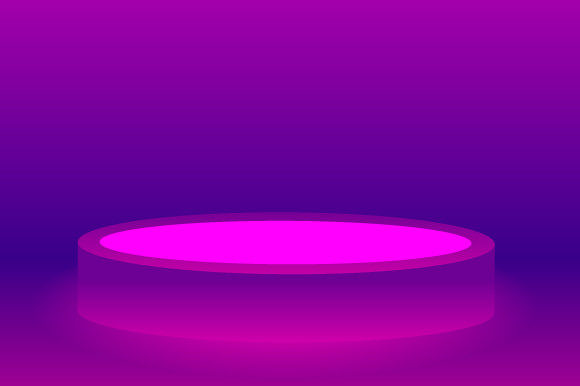
The style of your podium or pedestal can change the entire tone of the presentation. A glossy, high-tech podium with LED edges suits futuristic products, while a rough stone pedestal gives an organic feel to natural items. You can also play with transparency or reflections for a more artistic effect. For minimalist branding, a simple white pedestal against a gradient background keeps the focus pure. For luxury items, consider a velvet-textured podium with gold accents.
3D mockups also allow for animated sequences. A slow rotation of a product on a pedestal can be used in video presentations or GIFs for websites. This dynamism captures attention and provides a comprehensive view without requiring user interaction. It is especially effective for hero sections on product pages.
Final Recommendations for Creators
When starting with 3D mockups, podiums, and pedestals, begin with templates available in software like Blender, SketchUp, or Adobe Dimension. Many platforms offer pre-made assets that you can customize to your needs. Experiment with different angles and scales to see what best highlights your product. Keep your audience in mind: a corporate client may prefer a clean, understated look, while a creative crowd might appreciate more avant-garde designs.
Document your settings for future use. If you develop a consistent lighting and material setup, you can speed up production for subsequent projects. Share your work in online portfolios or communities to get feedback and refine your approach. The goal is not to create the most complex scene but to effectively communicate the value of what you are presenting.
Ultimately, 3D mockups with podiums and pedestals are tools for clarity and emphasis. They give you control over the visual narrative, allowing you to present your work in the best possible light. Whether you are a creator, educator, or business owner, these assets help you connect with your audience through compelling, professional imagery. Start small, iterate, and let the quality of your presentation speak for itself.