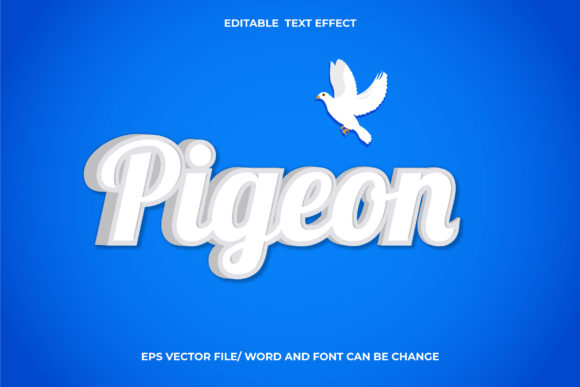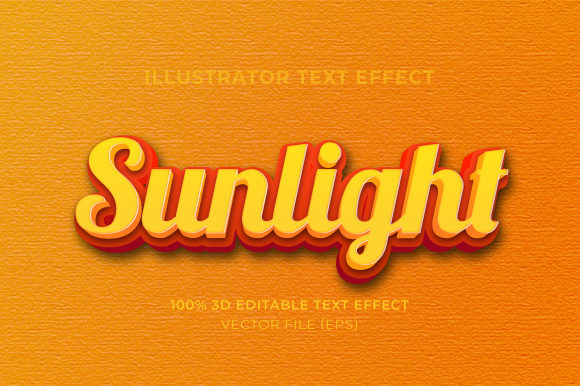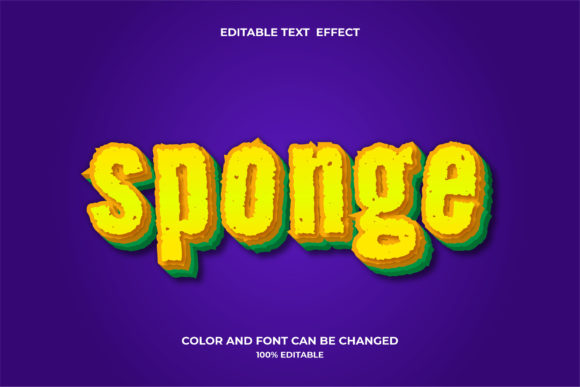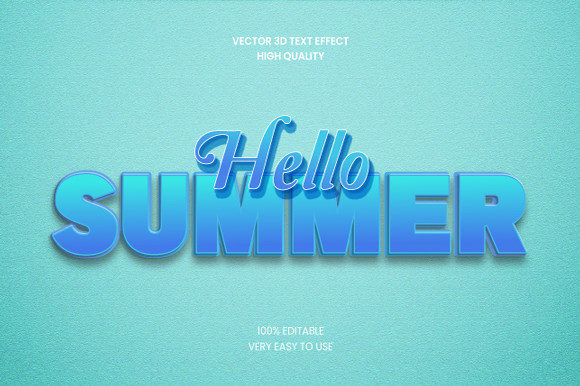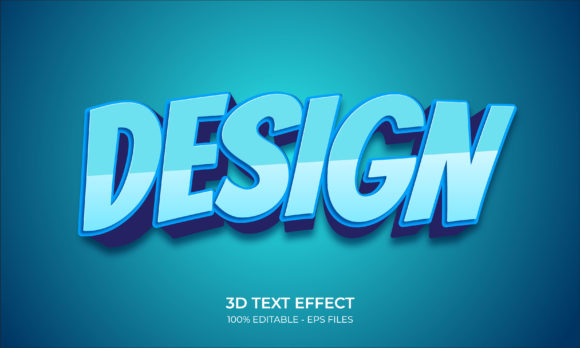
The Art of 3D Text Effect Style Design
Flat design has dominated digital screens for years, building a clean, minimal aesthetic that prioritizes function. But if you’ve ever scrolled past a dozen flat banners only to pause on one that practically leaps off the page, you’ve experienced the raw power of dimensionality. 3D Text Effect Style Design isn’t just a throwback to the skeuomorphic era; it’s a sophisticated, strategic tool for grabbing attention, conveying solidity, and adding a premium tactile feel to your work. When executed well, it transforms simple words into sculpted objects that demand to be seen.
More Than a Shadow: Defining Modern 3D Typography
At its core, 3D Text Effect Style Design is the process of giving two-dimensional letterforms volume, depth, and spatial presence. This goes far beyond a basic drop shadow or a flat bevel. Modern 3D typography leverages lighting, material textures (like glass, metal, or matte plastic), and perspective to create the illusion that the text exists physically in a three-dimensional space.
Unlike the overly glossy, chrome-heavy styles of the early 2000s, today’s approach is more nuanced. You’re just as likely to see soft, isometric extrusions used in corporate presentations as you are bold, neon-lit letters in a gaming stream overlay. The key difference is intent. Designers now use depth to serve a purpose—whether it’s to create a striking hero title, build a memorable logo lockup, or increase the click-through rate on a digital ad.
Core Characteristics and Strengths of Dimensional Type
What makes 3d text effect style design so effective? It taps into our innate visual processing. We are hardwired to notice objects that occupy space. Here are the characteristics that give it an edge:
- Visual Hierarchy: In a crowded layout, a dimensional header naturally sits at the top of the visual pecking order. It fights for attention before the eye moves to flat body copy.
- Tangibility: Depth creates a sense of realism and substance. This can subconsciously communicate a brand’s stability or a product’s physical quality.
- Light Interaction: Shadows, highlights, and reflections add a dynamic quality. A light source hitting extruded edges can guide the viewer’s eye exactly where you want it to go.
- Materiality: You can make text look like carved wood, polished stone, liquid metal, or soft foam. This material choice alone can define the entire mood of a project.
These strengths make it a versatile asset, but only when applied with restraint. Overcomplicating the lighting or using too many conflicting materials can quickly ruin legibility.
Practical Applications Across Industries
This isn't a niche skill reserved for album covers and movie posters. 3d text effect style design has practical, measurable applications in nearly every field.
Branding and Marketing Collateral
For marketers, the goal is usually stopping the scroll. A hero image on a landing page featuring an extruded, brightly lit headline can significantly increase conversion rates. I’ve seen SaaS companies use a clean, isometric text effect for their main value proposition, giving their brand a modern, forward-thinking appearance. Similarly, a local bakery might use a soft, frosted 3D text effect for seasonal promotions to evoke a sense of indulgence. It makes the message feel more like a physical object you can interact with.
Content Creation and Social Media
This is perhaps the most demanding arena for dimensional typography. A YouTube thumbnail with a flat title is easily ignored. One with a deep, beveled 3D text effect that casts a realistic shadow onto the background immediately communicates a high-production value. For social media stories, subtle depth in key words can make an announcement feel more significant. The key here is contrast. The depth needs to separate the text from the background image cleanly.
Educational and Instructional Design
In e-learning and presentations, clarity is king. However, monotony is the enemy of retention. Using a consistent 3d text effect style design for chapter titles or key terminology can break up dense information. When teaching complex software, I often use an isometric text style for labeling different parts of a diagram. It helps the learner visually “grab” the concept. It doesn’t have to be flashy—a simple, consistent extrusion can add a professional polish that keeps the audience engaged.
Strategic Benefits and Real-World Value
When you add dimension to text, you’re not just decorating; you’re engineering a psychological response.
- Improved Brand Recall: A logo or headline with a distinctive 3D treatment is more likely to be remembered than a generic sans-serif.
- Perceived Value: Properly crafted dimensional text looks expensive. It implies that effort and skill went into the presentation, immediately elevating your brand’s credibility.
- Enhanced Scanability: In long articles or reports, using a dimensional drop cap or subheading creates a clear, quick landmark for the reader’s eye.
- Emotional Tone: A playful, bouncy 3D style feels kid-friendly and fun. A rigid, metallic extrusion feels corporate and robust. You can tailor the emotional impact.
Choosing and Implementing 3D Text Effects
Before you jump into a tool like Blender or start tweaking every bevel setting in Adobe Illustrator, take a step back. The best 3d text effect style design is one that aligns with its environment. Here are practical considerations to keep in mind:
Match the Style to the Context. An aggressive, chrome 3D effect will clash with a minimalist, organic brand. For a professional audience, stick to clean extrusions with soft matte finishes. For creative industries, you can explore more experimental deformations and vibrant lighting. Always let the brand’s personality dictate the material choice.
Prioritize Legibility Above All Else. The most common mistake is letting the 3D effect eat the letters. Ensure the primary face of the text remains clean and readable. Avoid putting critical information in the extruded sides unless you are very confident in your lighting setup. If the viewer has to squint, the design has failed.
Consider the Medium. A 3D text effect intended for print can have incredibly fine details. If it’s for the web, you need to be aware of file sizes. Exporting complex 3D text as an SVG or a well-optimized WebP image is crucial for site speed. For interactive web experiences, using CSS 3D transforms or lightweight JavaScript libraries can create dimensional text without the heavy rendering cost.
Use the Right Tool for the Job. You don’t need a full 3D suite for basic effects. Photoshop is fantastic for quick, mockup-ready layer-based 3D. Illustrator excels at clean, isometric vector extrusions. For photorealistic or highly complex text with intricate lighting and reflections, dedicated tools like Cinema 4D or Blender are the industry standards. If you need a quick, collaborative solution, web-based tools like Spline or Vectary offer a fantastic bridge between simplicity and power.
Finally, test the impact. If you are using 3D typography for a marketing campaign, A/B test it against a flat version. You might be surprised at how much the added depth improves or sometimes hinders performance. The data will always tell you the truth.
Final Thoughts on Dimensional Design
3D Text Effect Style Design is a powerful technique in a modern designer’s toolkit, but it demands respect. It is not a default setting or a quick fix for boring content. It is a strategic decision that, when executed with care, can stop the scroll, build trust, and make your message tangible. Whether you are designing for a billion-dollar brand or a personal blog, asking yourself “does this text need to live in space?” is a sign of a mature, thoughtful creator. When the answer is yes, the depth you add can make all the difference.