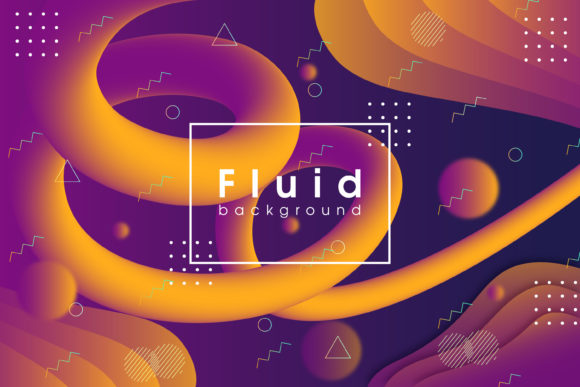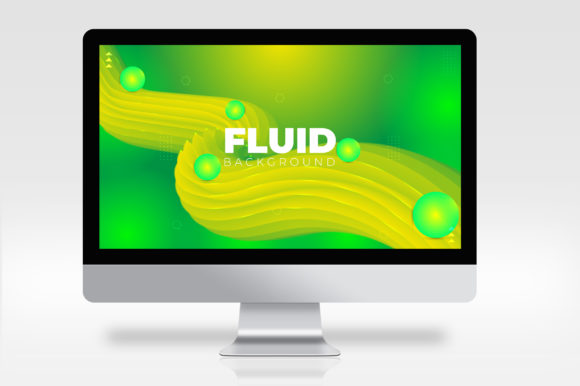
3D Fluid Background Design: A New Visual Language for Digital Spaces
When you land on a modern website or app and encounter a background that moves, breathes, and shifts like liquid silk, you are experiencing 3D fluid background design. This technique combines real-time 3D rendering with fluid simulation to create backgrounds that are not static images or simple gradients but living visual environments. The result is a surface that undulates, swirls, and responds — sometimes to user input, sometimes to time — creating a sense of depth, motion, and organic life that traditional flat design cannot match.
Over the past few years, this approach has moved from experimental portfolios and tech demos into mainstream digital products, branding, and creative tools. The reason is straightforward: as screens become higher resolution and devices grow more powerful, users expect richer, more immersive experiences. A 3D fluid background is not a gimmick — it is a way to communicate sophistication, fluidity, and modernity without relying on heavy imagery or distracting animations that compete with content.
Why 3D Fluid Background Design Matters Now
The attention economy is real, and first impressions form in milliseconds. A background that moves subtly and organically signals that a brand, product, or creator cares about craft. But beyond aesthetics, 3D fluid backgrounds serve a functional role in modern interfaces. They provide visual continuity, guide the eye, and reduce the cognitive load of staring at static blocks of information.
Consider how people browse content today — on a phone while commuting, on a laptop during a meeting, on a tablet while relaxing. The environment changes constantly, but the digital experience often remains rigid. A fluid background introduces a variable that feels natural rather than mechanical. It mirrors the organic quality of the physical world, where light shifts, surfaces ripple, and nothing is perfectly still.
For creators and business owners, this translates to a competitive edge. A site or app that uses 3D fluid background design feels more polished and intentional. It tells the visitor that resources were invested not just in functionality, but in the overall sensory experience. This is especially relevant for industries like creative agencies, luxury brands, tech startups, and personal portfolios, where visual identity directly influences trust and perception.
The Shift from Static to Living Interfaces
Digital design has evolved through distinct phases. Early web was text-heavy with minimal styling. Then came images, gradients, flat design, and later, subtle micro-interactions. Today, the next logical step is environments that behave like natural systems. 3D fluid backgrounds are part of a broader movement toward organic UI, where interfaces feel less like software and more like spaces you inhabit.
This shift aligns with changing user expectations. People are accustomed to smooth, responsive experiences from games, streaming platforms, and mobile operating systems. They subconsciously expect that same fluidity from every digital product they touch. A static background, no matter how beautiful, can feel dated when compared to something that gently morphs as you scroll or move the cursor.
Modern tools have also lowered the barrier to entry. Libraries like Three.js, WebGL frameworks, and dedicated fluid simulation engines allow developers and designers to implement these effects without writing complex physics code from scratch. Real-time rendering on the GPU makes performance efficient, even on mid-range devices. This means a small freelancer or a solo creator can now produce effects that were once the domain of large studios with dedicated graphics teams.
Practical Implications for Different Audiences
Understanding 3D fluid background design is not just for designers or developers. Its implications reach across roles and industries.
For Marketers and Business Owners
Your website is your most visible asset. A fluid background can increase dwell time — the amount of time a visitor stays on a page — simply because the visual interest encourages exploration. It also creates a strong brand recall. People remember how a site made them feel, and a dynamic, calming fluid background leaves a lasting impression that a flat color or generic stock photo cannot.
However, the key is subtlety. Overdone effects can distract or slow down load times. The recommendation is to use fluid backgrounds sparingly — as a hero section backdrop, a full-page transition, or a background for a call-to-action area. Test performance on mobile and older devices to ensure accessibility for all users.
For Creators, Freelancers, and Hobbyists
If you build personal portfolios or creative projects, 3D fluid backgrounds offer a way to stand out without relying on heavy imagery. A single fluid simulation can act as a unique, ever-changing visual signature. It also demonstrates technical competence and an eye for contemporary design trends, which can attract clients or collaborators who value innovation.
Start small. Use preset parameters and adjust color palettes to match your brand. Many online tools and templates now allow you to generate fluid backgrounds with simple sliders. You do not need to be a shader expert to produce a compelling result. Experiment with speed, turbulence, and color blending to find a look that feels right for your project.
For Educators and Bloggers
Educational content and blogs benefit from visual engagement. A fluid background behind a title section or between content blocks can break monotony and keep readers scrolling. But it is important to ensure the motion does not interfere with readability. High-contrast text over a moving background requires careful attention to color selection and opacity.
Consider using the fluid effect as a metaphor in your content. For example, a blog post about change, creativity, or flow could be enhanced by a background that visually represents those themes. The alignment between message and design reinforces your point without extra words.
How 3D Fluid Background Design Has Evolved
The roots of this technique lie in fluid dynamics simulation used in scientific visualization and high-end visual effects for film. For decades, realistic fluid movement required massive computational power and offline rendering. The breakthrough came when graphics hardware advanced enough to run simplified simulation models in real time on consumer GPUs.
Early web implementations were experimental, often buggy, and limited to desktop browsers. Today, the technology has matured. WebGL 2.0, WebAssembly, and modern JavaScript engines make fluid simulations accessible across platforms. Artists and developers have built tools that abstract away the complexity, enabling designers to focus on aesthetics rather than algorithms.
Another major shift is the rise of no-code and low-code platforms. Services like Framer, Webflow, and even some WordPress plugins now offer fluid background options. This democratization means that a business owner without technical skills can add a professional-quality effect to their site in minutes. The barrier is no longer technical expertise but creative vision.
What People Are Paying Attention To
The current interest in 3D fluid background design reflects a broader cultural shift toward authenticity and organic experiences. In a world dominated by rigid grids, AI-generated content, and algorithmic feeds, people crave sensory relief. Fluid backgrounds offer a break from the mechanical. They are unpredictable without being chaotic, structured without being static.
Social media trends also play a role. Platforms like Instagram and TikTok have popularized smooth, liquid-like transitions and effects. Users have become visually literate — they recognize and appreciate polished motion. This expectation carries over to websites, apps, and presentations. A creator who ignores this shift risks appearing outdated, even if their content is strong.
Additionally, remote work and digital interaction have increased the amount of time people spend looking at screens. Subtle motion in backgrounds reduces screen fatigue by providing gentle visual stimulation that differs from the flicker of video or the glare of static white pages. It mimics the natural environment, which is in constant flux.
Practical Recommendations for Implementation
If you are considering incorporating 3D fluid backgrounds into your work, start with purpose. Ask why you want it and what it adds to the user experience. Avoid using it just because it looks cool — every design choice should serve the content or the brand.
- Prioritize performance. Test on multiple devices and connection speeds. Use GPU-accelerated rendering and keep simulation resolution appropriate for the display size. Offer a static fallback for browsers or devices that cannot support the effect.
- Maintain readability. Place text over areas with less motion or use semi-transparent overlays. Choose colors that contrast well against the full range of fluid tones. Avoid bright, fast-moving hues near critical content.
- Control the motion. Give users the option to pause or reduce movement if they are sensitive to animation. This is also a compliance consideration for accessibility guidelines like WCAG.
- Match the brand personality. A fluid background for a meditation app should be slow and soft, while one for a gaming platform could be energetic and reactive. Customize parameters to fit the emotional tone of the product.
- Update thoughtfully. Unlike a static image, a fluid background is dynamic. Monitor how it behaves across sessions and updates. A change in the simulation seed can alter the entire feel of the design.
Looking Forward with Realistic Eyes
3D fluid background design is not a universal solution. There are contexts where simplicity and speed matter more than visual depth. A utility app, a data dashboard, or a text-heavy documentation site may not benefit from fluid motion. The best designers know when to hold back.
That said, as display technology improves — foldable screens, higher refresh rates, AR glasses — the appetite for fluid, responsive environments will grow. The people who learn to work with these tools now will have a head start in designing for the next generation of interfaces. But the real value is not in the technology itself; it is in what it enables: digital spaces that feel more human, more alive, and more connected to the organic nature of the world around us.
Whether you are a marketer seeking deeper engagement, a freelancer building a standout portfolio, or a curious reader exploring new creative frontiers, understanding 3D fluid background design gives you a lens into where digital expression is heading. It is a tool, not a trend — and like any tool, its value depends on how thoughtfully you use it.