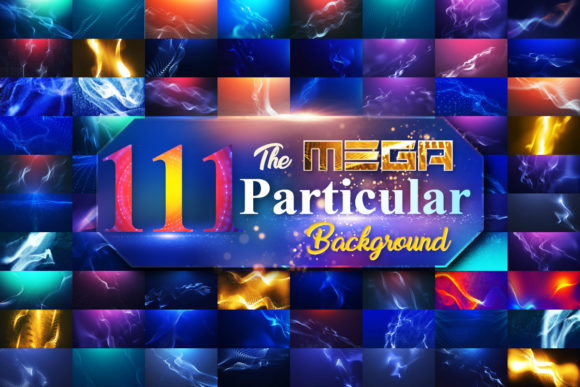
Abstract Particular Texture Bundle: Merging Depth with Modern Visual Language
Digital spaces are becoming saturated. Every scroll delivers a new brand, a new product shot, a new background. Standing out in this crowded environment demands more than a clean layout or a bold color palette. It requires texture—not just visual grit, but a sense of materiality that makes a design feel tangible. This is where the Abstract Particular Texture Bundle enters the conversation. It offers a library of nuanced surfaces, organic imperfections, and layered details that help creatives move past flat aesthetics into something richer and more memorable.
For professionals ranging from graphic designers and brand strategists to social media managers and indie creators, this bundle is not merely a collection of assets. It represents a shift in how we think about digital depth. Instead of relying on obvious filters or stock overlays, the bundle provides subtle, adaptable textures that can be integrated into almost any visual project—from web design backgrounds to presentation slides, printed collateral to video thumbnails. The result is work that feels crafted rather than assembled.
Why Texture Matters Now More Than Ever
The visual landscape has evolved rapidly over the past decade. Minimalism dominated for years, but audiences have grown accustomed to clean lines. What once felt fresh can now feel cold or impersonal. At the same time, the rise of generative AI and templated design tools has made it easy to produce polished work quickly—but that ease also risks homogeneity. Many designs look alike.
Texture reintroduces humanity. When you apply a grainy overlay, a subtle paper fold, or a distressed ink effect from the Abstract Particular Texture Bundle, you signal that a human hand was involved. That imperfection becomes a mark of authenticity. Current trends in brand identity, editorial design, and even UI design reflect this longing for tactility. People are drawn to surfaces that feel worn, layered, or organic. The bundle taps directly into this preference without requiring you to source physical materials or spend hours creating textures from scratch.
- Brand differentiation: In a sea of identical templates, textured backgrounds create instant distinction.
- Emotional resonance: Rough, soft, or granular surfaces evoke feelings of warmth, nostalgia, or craftsmanship.
- Adaptability: The same texture can be used across digital and print, maintaining consistency without monotony.
From Flat to Dimensional: The Evolution of Visual Preferences
Early web design celebrated flatness—it loaded faster and looked modern compared to the skeuomorphic era of glossy buttons and heavy shadows. But that pendulum is swinging again. Audiences now crave depth, but not necessarily the obvious drop-shadow kind. They want visual layers that feel lived-in. The Abstract Particular Texture Bundle responds to this by offering textures that mimic real-world materials: canvas, concrete, brushstrokes, rust, dust, and water stains. These aren't novelty effects; they are versatile bases that can be blended, masked, or layered without overpowering the main content.
This evolution parallels changes in how people consume content. With the shift toward short-form video and image-heavy platforms like Instagram, Pinterest, and TikTok, the background matters more than ever. A static post with a textured backdrop can stop the scroll longer than a plain gradient. Educators and freelancers who create digital courses or client presentations also benefit. An abstract texture behind a quote slide or data visualization makes the information feel more anchored and less synthetic.
Moreover, the bundling approach itself reflects a modern workflow reality. Instead of purchasing one texture at a time, creators need a cohesive set that works together. The Abstract Particular Texture Bundle provides variety within a unified aesthetic. You can mix a brushed metal surface with a weathered paper overlay and still maintain visual harmony. This coherence saves time and reduces decision fatigue.
Practical Implications for Creators and Professionals
Understanding what the bundle contains is one thing; knowing how to deploy it effectively is another. Here are several practical ways different user groups can integrate these textures into everyday work.
Graphic Designers and Brand Developers
When building brand guidelines, texture is often an afterthought. Yet the most memorable brands have a distinct tactile signature. By selecting one or two core textures from the bundle—say, a soft felt-like grain for print materials and a subtle noise overlay for digital assets—designers can create consistency across touchpoints. The bundle also works well for packaging mockups, lookbooks, and social media templates. Instead of relying on generic gradients, layer a texture under the brand color palette to add depth without complicating the identity.
Content Creators and Bloggers
Visual storytelling relies heavily on atmosphere. Bloggers who write about travel, lifestyle, or entrepreneurship can use these textures to create featured images that feel cinematic. A dusty concrete texture might suit a urban brand, while a linen overlay could warm up a wellness blog. The key is subtlety: apply the texture as a multiply blend at low opacity so it enhances rather than distracts. It transforms a simple photo of a laptop or coffee cup into something that looks intentionally curated.
Educators and Course Developers
Slide decks and digital course materials often suffer from visual fatigue. When every slide uses the same clean background, attention wanes. Introducing textured backgrounds for section dividers, quote slides, or case study pages breaks the rhythm in a purposeful way. Learners respond to visual cues that signal a shift in topic or tone. The Abstract Particular Texture Bundle offers enough range to assign different textures to different modules—keeping the course visually organized without relying on clashing colors.
Business Owners and Marketers
Small business owners or startup founders who manage their own marketing can use textures to elevate simple assets. Email headers, social media posts, landing page backgrounds, and even printable menus gain instant sophistication. A restaurant might use a concrete texture for its website to communicate a modern industrial vibe, while a boutique hotel could opt for a soft linen or parchment finish to convey comfort. These choices don't require a professional designer—just access to a high-quality texture set and basic familiarity with design tools like Canva or Photoshop.
How the Bundle Fits into Modern Workflows
Efficiency matters. The rise of remote work and distributed teams means assets must be easily shareable, scalable, and consistent. The Abstract Particular Texture Bundle typically comes in high-resolution formats compatible with major software. That means no reformatting, no resolution drop, no extra steps. Designers can drag and drop, adjust blending modes, and export final work quickly. This speed is critical for freelancers juggling multiple projects or marketing teams facing tight deadlines.
Another workflow consideration is cross-platform use. Textures from the bundle that work in a Photoshop composite can also be applied in an After Effects animation or a Canva social template. This interoperability reduces the need to rebuild assets from scratch for each medium. For creators managing an online store or a membership site, having a consistent textural language across video, static images, and PDF downloads creates a professional ecosystem that feels intentional.
- Time saved: No need to photograph physical materials or generate textures procedurally.
- Consistency: A single bundle provides textures that look like they belong together.
- Flexibility: Textures can be recolored, rotated, cropped, or blended without losing quality.
Choosing and Using Textures Thoughtfully
Despite the abundance of options, restraint is a virtue. The best use of any texture bundle is often the lightest. Here are a few grounded recommendations for getting the most out of the Abstract Particular Texture Bundle without overdoing it.
First, align texture selection with the emotional tone of the project. A rough, high-contrast texture might suit a bold campaign or a music festival poster, but could feel oppressive for a wellness app or a children's book. Spend time sampling different options and observe how each changes the feel of your content. Second, test integration on multiple devices. A texture that looks perfect on a high-res monitor might appear too heavy on a smartphone screen. Adjust opacity and scale accordingly. Third, keep accessibility in mind. If using a texture behind text, ensure sufficient contrast remains for readability. The bundle's variety includes both subtle and pronounced options, giving you room to match the function.
Finally, consider using the same texture across a series of assets to build recognition. For example, a freelancer could use one signature texture on all their portfolio thumbnails, LinkedIn banners, and client proposals. Over time, that texture becomes a visual shorthand for their brand. The bundle provides enough variation within a cohesive family to allow for this kind of personalization without becoming repetitive.
Meeting the Needs of a Shifting Audience
The audience for visual content is more sophisticated and more discerning than ever. Consumers have been exposed to thousands of ads, posts, and banners daily. They notice when a design feels generic. The Abstract Particular Texture Bundle helps creators respond to this shift by offering tools that add nuance without adding complexity. It is not a substitute for strong composition or clear messaging. It is an enhancer—a layer of depth that signals attention to detail.
For entrepreneurs building a new brand, the ability to craft a textured visual identity without hiring a full agency is empowering. For seasoned designers, it expands the toolkit with ready-to-use materials that feel organic rather than manufactured. For marketers, it provides a quick way to refresh seasonal campaigns or launch new product lines with a distinct look. And for hobbyists exploring their creativity, it opens a door to professional-quality results without a steep learning curve.
Texture is not a fleeting trend. It is a fundamental aspect of how humans perceive the world. The digital environment has been missing it for years, and the current hunger for tactile visual experiences is likely to persist. Investing in a well-curated set like the Abstract Particular Texture Bundle is not about chasing a fad. It is about aligning your work with a deeper desire for authenticity, warmth, and presence.