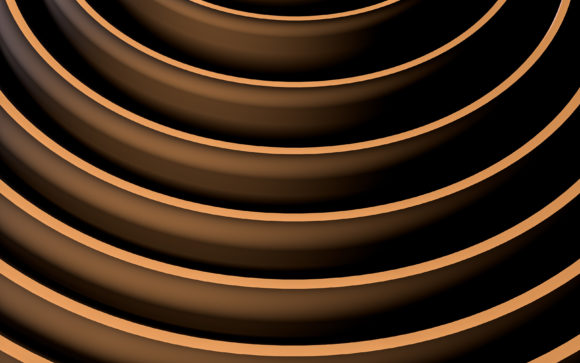
Choosing a Dark Abstract Geometric Background for Your Next Project
When you are designing a website, creating a presentation, or building a brand identity, the background you choose sets the entire tone. Among the many options available, the dark abstract geometric background has gained steady attention for its ability to blend structure with atmosphere. It is not just a trend. It is a practical design choice that balances visual interest with readability, and it works well across a wide range of applications. But like any design decision, it comes with tradeoffs. Understanding what makes this style distinct, how it compares with other approaches, and when it fits best can help you decide if it is right for your project.
What Defines a Dark Abstract Geometric Background
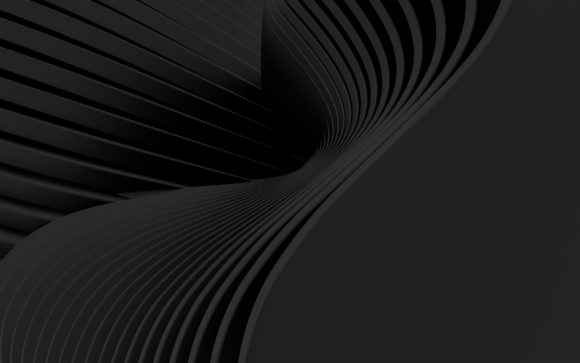
A dark abstract geometric background combines three core elements: a dark color palette, abstract shapes or patterns, and geometric structure. The darkness typically comes from deep grays, blacks, navy blues, or rich charcoal tones. The abstract element might be flowing lines, fragmented polygons, overlapping circles, or asymmetrical grids. The geometric side gives the design a sense of order, precision, and intentionality. Together, these elements create a background that feels both modern and grounded.
What makes this style distinct from other dark backgrounds is the presence of deliberate form. A plain dark background can feel flat or somber. A dark abstract geometric background, by contrast, adds depth, movement, and a focal point without overwhelming the foreground content. The geometry provides a visual anchor, while the abstraction keeps it from feeling rigid or repetitive. This combination allows the background to contribute to the overall mood without competing for attention.
How It Differs from Minimalist or Textured Dark Backgrounds
Minimalist dark backgrounds rely on simplicity, often using solid color or subtle gradients. They are clean and unobtrusive, but they can also feel impersonal or stark. A dark abstract geometric background introduces more visual complexity. The shapes and patterns create a sense of texture and layering that a flat background lacks. This can make a design feel more curated and sophisticated, but it also requires more careful balancing. If the geometry is too busy or the contrast is too high, it can distract from the content.
Textured dark backgrounds, such as grainy surfaces, marble patterns, or noise overlays, add a tactile quality. They feel organic and warm, but they can sometimes clash with modern typography or crisp UI elements. Dark abstract geometric backgrounds lean more toward the structured and digital. They pair well with bold typography, clean layouts, and contemporary design systems. The tradeoff is that they can feel less approachable or cozy compared to organic textures. The choice between these styles often comes down to the emotional tone you want to set and the type of content you are presenting.
Strengths of Using a Dark Abstract Geometric Background
There are several practical reasons to consider this style for your project. First, it creates a strong visual identity. The combination of darkness and geometry feels authoritative, focused, and modern. It works particularly well for tech companies, creative agencies, portfolio sites, and event landing pages where you want to convey professionalism and innovation.
Second, it provides a backdrop that enhances readability when used correctly. The structured shapes can guide the eye toward key content areas. For example, a diagonal geometric pattern can subtly direct attention to a headline or call-to-action button. The dark base also reduces glare and eye strain in low-light environments, which is a genuine benefit for users who spend long hours on screens.
Third, it offers flexibility across formats. A well-designed dark abstract geometric background can scale from a website hero section to a slide deck background to a social media graphic. The geometric elements remain recognizable at different sizes, and the dark base ensures consistency across applications. This makes it a practical choice for branding systems where you need a unified look across multiple touchpoints.
Where It Excels: Best-Fit Situations
This style tends to perform best in contexts where the foreground content is light, bold, or high-contrast. White or brightly colored text, icons, and images stand out sharply against a dark geometric backdrop. It is also a strong choice when you want to convey depth without using heavy imagery. For example, a startup's landing page might use a dark abstract geometric background to imply innovation and solidity without relying on stock photos.
Another good fit is in creative portfolios or design showcases. The background itself demonstrates a sense of visual thinking and craftsmanship. It tells the audience that you care about details and composition. Similarly, in event promotions or product launches, the dramatic feel of a dark geometric background can build anticipation and focus attention.
For presentations, especially those delivered on large screens or in dimly lit rooms, a dark abstract geometric background can reduce visual noise and keep the audience focused on the speaker and the data. It also projects a polished, contemporary image that aligns with industries like architecture, finance, and technology.
Tradeoffs and Limitations to Consider
No design choice is without its drawbacks, and a dark abstract geometric background is no exception. The most common issue is contrast. If your content includes dark text, muted colors, or intricate graphics, it can get lost against a dark background. You may find yourself forced to use lighter text or add contrasting containers, which can add complexity to the layout.
Another limitation is accessibility. Not all users will find dark backgrounds easy to read, especially in bright environments or for those with visual impairments. While dark modes have become more common, some people still prefer light backgrounds for extended reading. If your audience includes a wide demographic, you may need to offer a light version of your design or ensure that your content maintains sufficient contrast ratios. The Web Content Accessibility Guidelines recommend a contrast ratio of at least 4.5:1 for normal text, which can be harder to achieve on dark geometric backgrounds with busy patterns.
The style also carries a certain aesthetic weight. A dark abstract geometric background can feel serious, intense, or even cold. If your project aims for a warm, playful, or approachable tone, this might not be the best fit. For example, a children's educational app or a health and wellness blog might benefit more from a lighter, softer background.
When You Might Need an Alternative
If your content is text-heavy, such as a long article or a documentation page, a dark abstract geometric background can become visually fatiguing over time. In these cases, a lighter background with subtle texture or a clean white space may serve your audience better. Similarly, if you are designing for a brand that emphasizes transparency, simplicity, or friendliness, a dark geometric style might send the wrong signal.
Another scenario where an alternative might be better is when you need to display complex data visualizations or detailed illustrations. The geometry in the background can clash with the geometry in your data, creating a confusing visual hierarchy. In such cases, a plain dark background or a light background with minimal detail allows the data to take center stage.
If your project targets a conservative or traditional audience, such as in legal, academic, or government sectors, a dark abstract geometric background may feel out of place. These environments often favor clean, neutral, or restrained designs. A subtle off-white background with a simple grid or no pattern at all would likely be more appropriate.
Practical Comparisons with Similar Styles
When evaluating whether a dark abstract geometric background is right for you, it helps to compare it with a few related approaches. One alternative is a dark gradient background. Gradients are smoother and more fluid, and they can create a sense of motion or depth without geometric sharpness. They tend to feel more emotional and less rigid. If your brand voice is warm or artistic, a gradient might be a better match. However, gradients can also look dated if not executed carefully, and they lack the structural clarity of geometric patterns.
Another comparison is with dark patterned backgrounds that use repeating motifs, such as dots, lines, or grids. These are more predictable and can be useful when you want a subtle texture. They are easier to scale and less likely to distract. But they may not convey the same level of sophistication or uniqueness. A dark abstract geometric background, especially one with custom asymmetrical shapes, feels more bespoke and intentional.
There is also the option of using dark photographic backgrounds. Photos can communicate specific contexts and emotions instantly, but they can also be limiting. A photo may not work well with different content types, and it can be harder to maintain consistent branding across pages. A dark abstract geometric background, being non-representational, gives you more freedom to layer various content elements without mismatched contexts.
Key Decision Factors to Guide Your Choice
To decide whether a dark abstract geometric background is the right choice, consider the following factors:
- Content type: Is your content primarily visual, text-based, or a mix? Light, bold content works best. Heavy text may require adjustments.
- Audience preferences: Will your audience respond to a dark, dramatic look, or do they expect a lighter, more conventional design?
- Brand personality: Does your brand lean modern, authoritative, and innovative, or is it more approachable, warm, and friendly?
- Accessibility requirements: Can you maintain sufficient contrast and readability for all users, including those with visual impairments?
- Application context: Will this background be used across multiple formats, and does it scale well from large screens to small ones?
- Visual hierarchy: Does the background support or compete with your foreground elements?
These questions are not meant to lead you to one answer. They are intended to help you evaluate your specific situation. What works for a tech startup may not work for a nonprofit newsletter, and that is fine. The goal is to match the background to the message, not the other way around.
Making a Confident Decision
A dark abstract geometric background is a powerful design tool, but it is not a universal solution. Its strength lies in its ability to combine structure with atmosphere, making it ideal for projects that need to feel both precise and evocative. It stands out among other dark background options because of its deliberate form and visual depth. At the same time, it demands careful attention to contrast, accessibility, and audience fit.
If you are working on a brand, website, or presentation that benefits from a modern, focused, and slightly dramatic look, this style deserves serious consideration. If your project leans toward warmth, simplicity, or heavy text, you may be better served by a lighter or less structured alternative. The best choice is the one that aligns with your content, your audience, and the experience you want to create.
By understanding both the strengths and the tradeoffs, you can use a dark abstract geometric background not as a default trend, but as a deliberate, informed decision that supports your goals. That kind of intentionality is what separates effective design from decoration.