Crafting Depth and Light: The Rise of 3D Layered Ramadan Design with Mosque Silhouettes
Ramadan decor has moved well beyond simple paper lanterns and string lights. A quiet but significant shift is underway in how creators, businesses, and families approach visual storytelling during the holy month. At the heart of this shift is 3D layered Ramadan design with mosque SV—a technique that uses stacked, cut layers to create depth, shadow, and a luminous sense of space. Whether you are a graphic designer building digital assets, a small business owner preparing seasonal promotions, or a hobbyist crafting home decor, this approach offers a fresh way to capture the essence of Ramadan without relying on flat, overused imagery.
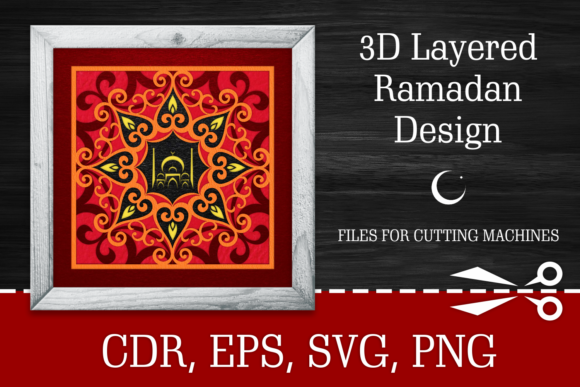
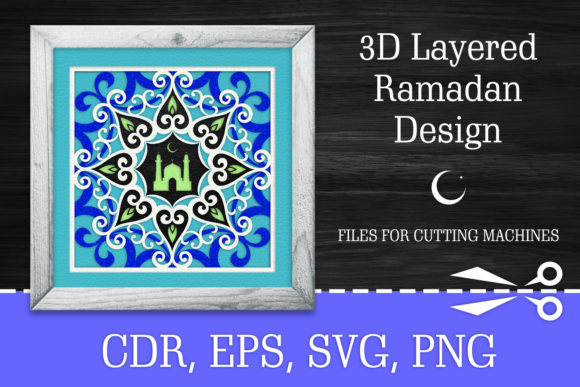
The core idea is deceptively simple: by arranging multiple cut-out layers—each depicting part of a mosque silhouette, geometric pattern, or crescent motif—at varying distances, you create a scene that feels tangible. The play of light and shadow between these layers gives the design a quiet, meditative quality that resonates deeply with the reflective tone of Ramadan. It is not just decoration; it is an invitation to look closer.
What Makes 3D Layered Ramadan Design Different
Traditional Ramadan graphics often rely on two-dimensional arrangements of icons: a mosque, a crescent, a lantern, perhaps some stars. They communicate the theme efficiently, but they seldom evoke a feeling of presence. 3D layered design changes that by introducing physical or simulated depth. When you look at a well-made layered piece, the foreground elements sit forward, the background recedes, and the mosque silhouette—often the focal point—appears to stand within its own environment.
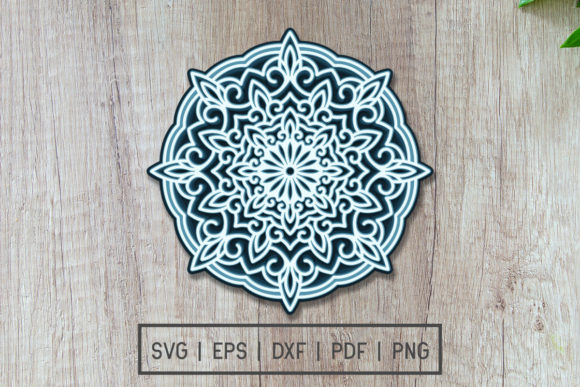
This technique draws from papercut art, shadow box framing, and digital depth mapping. In physical form, layers are cut from cardstock or acrylic and spaced apart using foam tape or small spacers. In digital form, designers simulate the same effect using software like Adobe Illustrator, Procreate, or Blender, where each layer is a separate element with its own position in Z-space. The result is versatile: it can be printed as wall art, used as a website banner, animated for social media, or turned into a laser-cut template for handmade gifts.
The mosque silhouette itself is not a generic outline. It often includes details like minarets, domes, arches, and courtyard gates. When these features are distributed across multiple layers, the eye can explore the structure piece by piece. One layer might carry the main dome, another the minarets, and a third the foreground archway or lantern. The interplay between these layers creates a sense of discovery that a flat image simply cannot match.
Why This Approach Is Gaining Attention Now
Several converging trends explain why 3D layered Ramadan design with mosque silhouettes has moved from a niche craft to a wider practice. First, there is a growing appetite for mindful, handmade aesthetics in home and digital spaces. After years of ultra-minimal and mass-produced visuals, many people are drawn to work that shows craft, patience, and intention. Layered designs look and feel handmade even when they are generated digitally. They suggest care and effort, which aligns well with Ramadan’s emphasis on reflection and gratitude.
Second, the tools for creating and sharing such designs have become dramatically more accessible. Laser cutters, once reserved for industrial workshops, are now common in community maker spaces and even home studios. Cricut and Silhouette cutting machines have brought precision cutting into the living room. On the digital side, design software with 3D capabilities has become more intuitive, allowing users with moderate skills to build layered scenes without a steep learning curve. This democratization means that a blogger can design a layered Ramadan greeting card in an afternoon, and a small business can produce a limited run of laser-cut lanterns for local customers.
Third, there is a growing preference for visual content that performs well on social media. Layered designs are inherently photogenic. When lit from the side or backlit, they cast real shadows and create gradients of light that shift as the viewer moves. In video format, a slow pan across a layered scene feels cinematic. Platforms like Instagram, Pinterest, and TikTok reward this kind of visually rich content. A short reel showing how a 3D layered mosque design catches morning light can attract far more engagement than a static poster. Creators and marketers have taken notice.
How the Practice Has Evolved
The roots of layered Ramadan design lie in traditional Islamic art forms. Geometric patterns, arabesques, and muqarnas—the honeycomb-like vaulting found in mosque architecture—all rely on repetition and depth. What is new is the translation of these principles into accessible, modular, and scalable formats. Early adopters in the craft community began experimenting with papercut art for Ramadan around five to seven years ago. They shared templates and tutorials on Etsy and YouTube. Over time, the designs became more sophisticated, incorporating layered lighting, mixed materials like wood and acrylic, and even interactive elements such as LED backlighting.
Today, the design landscape includes three broad categories. Physical decor remains popular: shadow boxes, table centerpieces, window hangings, and doorway arches. Digital assets have grown rapidly: social media templates, animated greeting cards, zoom backgrounds, and website hero sections. A third category, printable templates, bridges the two: users download a digital file, print it on cardstock, cut and assemble it themselves. This last category has proven especially useful for educators and community organizers who run Ramadan workshops for children or families.
The mosque silhouette itself has also evolved. Early designs tended toward simplified, generic outlines. Today, designers often reference specific mosques—the Sheikh Zayed Grand Mosque, the Al-Aqsa compound, the Hassan II Mosque—capturing distinctive architectural features while still keeping the silhouette clean enough for layered cutting. This move toward specificity adds meaning. A design that echoes a particular masjid carries emotional weight for people who have prayed there or dream of visiting.
Practical Implications for Creators and Businesses
For graphic designers and illustrators, mastering layered design opens a distinct niche within the competitive seasonal market. Ramadan-themed assets sell consistently, but the market is crowded with flat vector illustrations. A designer who offers layered scenes—ready-to-use digital mockups, layered PSD files, or SVG cut files—differentiates themselves immediately. These assets command higher prices because they require more skill to produce and because buyers perceive them as premium. A layered greeting card template, for instance, might sell for three to four times what a flat card template fetches on a marketplace like Creative Market or Etsy.
For small business owners, especially those in home decor, gift packaging, or event planning, 3D layered Ramadan design provides a way to create products that feel exclusive without requiring massive inventory. A laser-cut acrylic lantern with layered mosque motifs can be produced in small batches, marketed through lifestyle photography, and sold at a healthy margin. The same design can be scaled down into gift tags, table place cards, or packaging inserts, creating a cohesive visual theme across a product line. During Ramadan, when consumers are actively seeking decor to refresh their homes and gathering spaces, such products stand out against generic imports.
For educators and community leaders, the layered approach offers a hands-on activity that teaches both art and cultural appreciation. A workshop where participants cut and assemble a layered mosque silhouette encourages patience, fine motor skills, and an understanding of architectural forms. It also creates a tangible outcome that participants can take home, reinforcing their connection to the month. Schools, mosques, and cultural centers have increasingly adopted these workshops as a way to engage young people in Ramadan traditions through making rather than passive consumption.
For freelancers and content creators, layered designs are a reliable source of shareable content. Time-lapse videos of a layered piece being assembled, behind-the-scenes shots of the cutting process, or comparison posts showing flat versus layered versions of the same scene all perform well. The visual contrast is instantly understandable, even to audiences who do not celebrate Ramadan. This broad appeal matters for creators looking to grow their reach without diluting their cultural focus.
Getting Started Without Overcomplicating
It is easy to assume that producing professional-quality layered designs requires expensive equipment or years of practice. In reality, the barrier to entry is lower than many expect. For digital work, a vector program and a basic understanding of layer ordering are sufficient. Many designers start with three layers: a background with a dusk or gradient sky, a midground with the mosque silhouette, and a foreground with a frame or foliage. From there, they add detail gradually—an extra layer for the moon, one for stars, another for a lantern or date palm.
For physical production, a cutting machine like a Cricut Maker or Silhouette Cameo can handle cardstock up to about 300 gsm. Thicker materials like chipboard or kraft board require a laser cutter, but many cities have maker spaces or print shops that offer laser cutting by the hour or by the piece. The key is to design for the material: intricate cuts work well in paper, while broader shapes suit wood or acrylic. Testing a small prototype before committing to a full run saves both time and frustration.
Those working with SVGs should pay close attention to cut lines versus score lines. A layered design looks cleaner when fold lines are scored rather than cut through. Most cutting machine software allows you to assign different line types to different layers, and taking the time to set this up correctly makes assembly far more straightforward. Similarly, when designing for digital use, consider how the layers will appear on different screen sizes. A layered scene that looks dramatic on a desktop monitor might lose its depth on a phone screen if the layers are too subtle.
What to Keep in Mind for Meaningful Results
The most compelling 3D layered Ramadan designs do not just show a mosque; they create a mood. The choice of color palette matters deeply. Deep blues, purples, and golds evoke the night sky and the glow of city lights at iftar time. Soft greens and earth tones reference the natural world and traditional Islamic gardens. High-contrast combinations—white paper against a dark background, or gold acrylic against black—give the design a modern, graphic feel that works well in contemporary interiors.
Lighting is not an afterthought; it is a design element in itself. For physical pieces, backlighting with a small LED panel or warm fairy lights transforms the layers into a glowing scene. For digital designs, simulated light effects—gradient overlays, soft drop shadows, and translucent highlights—can achieve a similar result. Some creators are experimenting with animated light, where a gentle flicker or color shift plays across the layers over time, mimicking the movement of real candlelight or sunset.
The cultural and spiritual context should guide decisions, not just aesthetic ones. A mosque silhouette that includes a dome, minarets, and a courtyard invites recognition and respect. Adding elements like a crescent moon or lanterns nods to tradition without overwhelming the composition. The goal is not to pack every symbol into one design; it is to choose a few elements and let the depth of the layers do the work. A restrained approach almost always reads as more sophisticated.
Where This Practice Is Headed
Looking forward, the trend toward layered design is likely to deepen as more creators discover its versatility. Augmented reality offers an intriguing frontier: a layered Ramadan card that, when scanned with a phone, animates with moving light or reveals hidden text. On the physical side, sustainable materials are becoming a priority. Designers are experimenting with recycled cardstock, biodegradable acrylic alternatives, and water-based inks. These choices align with Ramadan themes of stewardship and simplicity.
The demand for layered design is also pushing platform changes. Marketplaces like Etsy and Creative Market now have dedicated categories for layered cut files, and social media platforms have adjusted their algorithms to better surface craft and making content. This structural support means that creators who invest in this skill now are building assets that will retain value for years. A well-designed layered mosque template can be adapted each Ramadan with minor updates, becoming a recurring source of income or engagement.
For the reader who has never tried this approach, the best starting point is simple observation. Look at existing layered designs—on Pinterest, in craft stores, on design blogs—and notice which compositions draw your eye. Then, try a two-layer experiment: a background and a single mosque silhouette. Most of the learning comes from doing, and the first attempt does not need to be perfect. The depth will come, literally and figuratively, with each layer.
3D layered Ramadan design with mosque silhouettes is not a fleeting style. It reflects a deeper desire to connect with the sacred through making, to slow down a visual culture that often moves too fast, and to create objects that hold meaning beyond their surface. That is a trend worth exploring, whether your medium is paper, pixels, or acrylic.