Exploring 3D Layered Ramadan Design SVG for Crafting and Decor
When preparing for Ramadan, many adults turn to digital design files to create personalized decorations, gifts, or greeting cards. Among the options available, the 3d Layered Ramadan Design SVG has gained attention for its ability to produce dimensional artwork. Unlike standard flat graphics, this type of file uses multiple layers that stack together to create depth and shadow effects. This article examines how these designs compare with other approaches, their practical strengths, limitations, and when they might or might not suit your project needs.
Understanding the Basics of 3D Layered SVS Designs
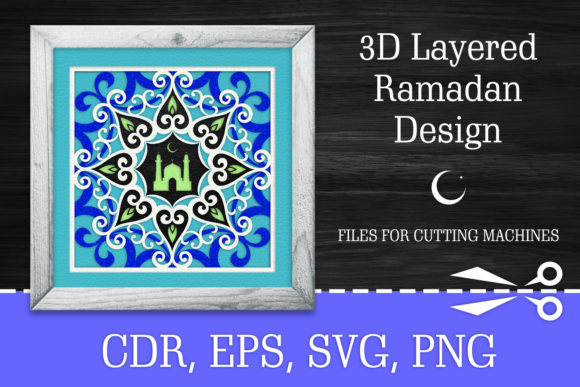
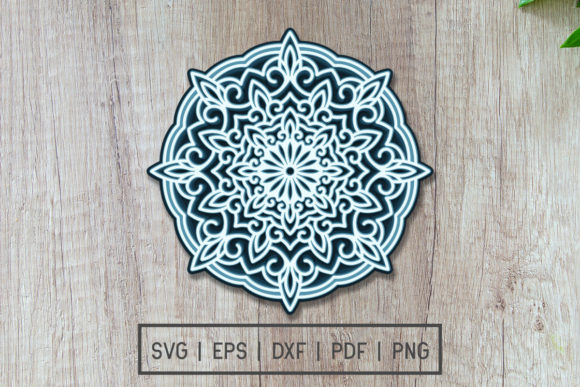
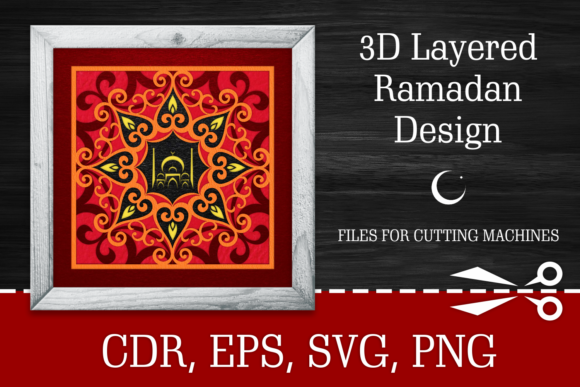
A 3d Layered Ramadan Design SVG is essentially a scalable vector graphic file structured with separate, aligned layers. Each layer typically represents a different element of the design—such as a crescent moon, lantern, mosque silhouette, or calligraphy—and is arranged to overlap when cut from materials like cardstock, wood, or acrylic. Once assembled using foam spacers or adhesive strips, these layers produce a raised, three-dimensional look. This technique is distinct from single-layer SVGs, which print or cut as a flat image without any built-in depth. The layered approach allows light and shadow to interact naturally, making the final piece feel more tangible and dynamic.
For example, a typical layered design might include a base plate, a mid-ground skyline, and a foreground with decorative patterns. When you cut each layer separately and stack them, the effect resembles a diorama or a shadow box. This format is particularly popular for wall art, table centerpieces, or greeting cards used during Ramadan and Eid celebrations.
How 3D Layered Designs Compare with Other SVG Formats
To evaluate whether a 3d Layered Ramadan Design SVG is right for you, it helps to compare it with common alternatives. Below are key differences and situations where each may be more appropriate.
Single-Layer vs. Multi-Layer SVGs
Single-layer SVGs are simpler: they use one continuous cut line and no assembly. They are quick to produce and ideal for projects where speed and minimal materials matter—such as mass-producing stickers or simple window decals. However, they lack the visual depth that many seek for special Ramadan decorations. In contrast, a 3d Layered Ramadan Design SVG requires more time for cutting, assembling, and aligning layers. The tradeoff is a noticeably richer appearance. If your goal is a high-impact display piece that guests will notice, layered designs generally outperform flat ones. If you need bulk items or quick crafts, a single-layer file might be more practical.
Print-and-Cut vs. Layered Cut Files
Print-and-cut files involve printing color onto paper or vinyl before cutting the shape. These can mimic depth through printed gradients and shading. While they offer a decent illusion of dimension, the result is still essentially flat. A 3d Layered Ramadan Design SVG uses physical space to create real depth, which photographs better and feels more substantial in person. Many crafters choose print-and-cut for intricate patterns where color variation is crucial—like detailed Islamic geometric motifs—but prefer layered cuts for projects where texture and shadow take priority over full-color rendering.
Hand-Drawn or Manual Craft Patterns
Some people create Ramadan decorations by hand, using patterns traced onto paper or wood. Manual methods offer full customization and no reliance on digital files, but they require steady drawing skills and patience for repetitive cutting. A 3d Layered Ramadan Design SVG eliminates the need to draft layers from scratch. You download a ready-made file, load it into cutting software, and let the machine handle precision. This is especially helpful if you want consistent results across multiple pieces—for instance, making identical gifts for family members.
Strengths of 3D Layered Ramadan Design SVG
Understanding the advantages helps you decide if this format aligns with your project goals. The primary strength is the real three-dimensional effect. Because each layer is physically separated from the next, the design casts subtle shadows and creates an immersive visual experience. This is hard to achieve with flat graphics or printed materials alone. Layered designs also combine well with backlighting: placing LED strips behind the layers can illuminate the spaces between them, producing a glowing effect that is especially fitting for evening Ramadan decorations.
Another strength is versatility across materials. A 3d Layered Ramadan Design SVG can be cut from various substances—light cardstock for paper crafts, heavy chipboard for durable art, or even wood veneer for a rustic look. The same digital file works with different machines, from hobbyist Cricut or Silhouette cutters to industrial laser engravers. This flexibility allows you to scale up a small card design into a large wall hanging simply by adjusting the cut settings. Additionally, many designers offer layered files with multiple styles built in, so you can choose between intricate cutouts or clean silhouettes without starting from scratch.
Best-Fit Situations for Using Layered Designs
- Formal decorations: When you are hosting iftar dinners or Eid gatherings, a layered piece adds elegance to tabletops or entryways.
- Gift making: Personalized layered cards or small shadow boxes make thoughtful presents that stand out from store-bought items.
- Community events: Mosques or cultural centers often use layered SVGs to produce consistent banners or centerpieces for communal celebrations.
- Learning and skill building: New crafters can use these files to practice assembly techniques without worrying about design errors.
If any of these scenarios sound familiar, a 3d Layered Ramadan Design SVG is likely a suitable choice. It delivers professional-looking results even if you have moderate equipment and basic cutting experience.
Tradeoffs and Limitations to Consider
No tool works for every situation. The 3d Layered Ramadan Design SVG has several limitations that may affect your decision. First, the assembly process takes time. Each layer must be carefully aligned and attached with spacers, and mistakes in spacing can ruin the depth effect. If you are short on time or lack patience for precision work, this format may frustrate you. Second, file complexity varies widely. Some designs have ten or more layers, each requiring its own cut pass. With every additional layer, the risk of misalignment increases, and the project consumes more material.
File compatibility can also be an issue. While SVGs are generally standard, not every cutting machine reads layered SVGs correctly. Some software may import the file as a single piece, losing the separation needed for layering. You might need to manually ungroup objects and reassign cut lines. Additionally, many free or low-cost 3d Layered Ramadan Design SVG files come with limited instructions. Beginners may struggle to figure out the assembly order or the required spacer height. Paid designs from reputable sellers often include detailed guides, but you should check reviews before purchasing.
When You Might Need Another Option
- Limited equipment: If you only have a basic printer and scissors, layered SVGs are less practical. Consider printed cards or hand-cut shapes instead.
- Quick turnaround: For last-minute decorations, flat SVGs or digital prints take much less time to produce.
- Children’s activities: Young kids may find assembly difficult. Simpler craft kits or single-layer cutouts work better.
- Extreme detail: Extremely intricate cut lines can cause tearing in thin materials. If your design has many small pieces, a more robust format like laser-engraved acrylic might be safer.
Recognizing these tradeoffs helps you avoid wasting materials on projects that do not align with your actual needs. For example, a friend once attempted a nine-layer lantern design for a children’s workshop. The assembly proved too delicate, and most pieces fell apart. A simpler two-layer design would have been more forgiving.
Practical Comparison: Layered vs. Alternative Decoration Approaches
Let us consider a concrete scenario: you want a decorative sign reading “Ramadan Kareem” for your home entrance. A 3d Layered Ramadan Design SVG would let you cut each letter from different colored cardstock, then stack them so the letters appear to float over a background pattern. The result looks striking and handmade. However, achieving crisp alignment requires a cutting mat, transfer tape, and precise spacer placement. Alternatively, you could order a laser-cut wooden sign from a local shop. That option removes the hands-on effort but costs more and offers less customization.
Another alternative is to print the design onto adhesive vinyl and apply it to a glass or acrylic panel. This gives a clean, modern look without stacking layers. The tradeoff is that vinyl decals remain flat and may not catch light the same way. For a similar investment of time and money, the layered SVG often yields more dramatic visuals, but only if you are comfortable with assembly work.
Decision Factors to Help You Choose
When evaluating whether a 3d Layered Ramadan Design SVG fits your project, consider these factors:
- Skill level: If you have used a cutting machine before and can follow assembly steps, layered designs are within reach. If you are a complete novice, start with a two- or three-layer design before attempting complex files.
- Available tools: You need a cutting machine capable of slicing cardstock or other thin materials. Hand-cutting all layers is possible but very tedious and rarely accurate.
- Time budget: Allow at least one to two hours for cutting and assembling a multi-layer design. More elaborate pieces can take an entire afternoon.
- Material costs: Each layer consumes separate material. Foam spacers or adhesive dots add to the expense. Compare this with a single-layer alternative that uses one sheet.
- Desired aesthetic: If you value physical depth and shadow play, layered SVGs are hard to beat. If you prioritize vibrant colors or photographic images, printed approaches may suit you better.
By weighing these factors, you can make an informed choice without relying on marketing hype. The right format depends on your specific combination of skills, equipment, and creative goals.
Realistic Examples of Usage
A common use for a 3d Layered Ramadan Design SVG is creating a greeting card with a raised mosque silhouette on the front. The bottom layer shows a sunset sky with minarets, the middle layer adds domes and arches, and the top layer features a crescent moon and calligraphy. When the recipient opens the card, the depth catches their eye. Another example is a table centerpiece made from layered wood pieces, by stacking mosque and lantern shapes on a circular base. Backlighting the piece with a tea light creates a warm glow that enhances the Ramadan atmosphere.
In contrast, a simpler alternative for a quick school project would be to print a flat Ramadan coloring page, cut around the basic shapes, and glue them onto a background. This takes fifteen minutes and requires no digital files. The choice between these approaches boils down to how much effort you are willing to invest for the level of impression you want to make.
Final Considerations for Your Project
A 3d Layered Ramadan Design SVG is a powerful resource for creating distinctive, dimensional decorations and gifts. It offers visual impact that flat designs cannot match, and it works across various materials and machines. However, it demands time, attention to detail, and some upfront investment in tools and supplies. For crafters who enjoy hands-on assembly and want something beyond standard prints, the layered format is a rewarding choice. For those who need speed, simplicity, or lack cutting equipment, exploring flat SVGs, printed materials, or manual methods might be more efficient. Ultimately, the best decision comes from matching the file format to your specific priorities, whether those are realism, convenience, cost, or creative expression. By understanding both the strengths and tradeoffs outlined here, you can confidently select the right designing approach for your Ramadan decor and craft projects.