The 3D Sad Face Icon: More Than an Emoji, a Visual Cue for Digital Empathy
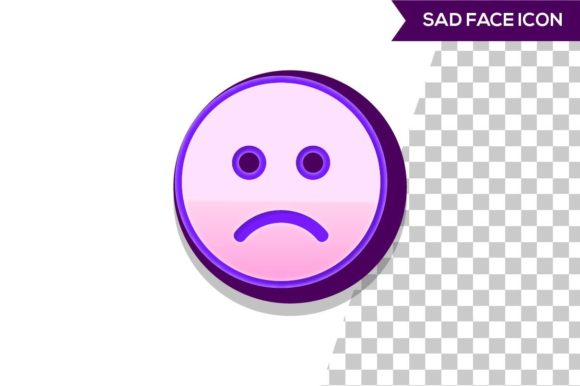
In the vast landscape of digital communication, where words often carry ambiguous weight, the 3D sad face icon has carved a distinct space. It is no longer just a simple yellow circle with downturned eyes. Today’s three-dimensional rendering of sadness conveys texture, shadow, and a subtle depth that flat emojis cannot capture. This evolution reflects a broader shift in how we express vulnerability, empathy, and shared emotion across screens. Whether you are designing an interface, crafting a social media post, or building a brand voice, understanding the 3D sad face icon means understanding the human need for authentic connection in a pixelated world.
From Flat to Volumetric: The Evolution of Emotional Icons
The journey of the sad face began with simple ASCII art — :( — then moved to standard yellow emojis with uniform lines. The leap to 3D rendering changed everything. With the rise of augmented reality filters, game engines, and immersive design tools, creators started giving these icons weight. A 3D sad face icon now includes nuanced expressions: a slight tilt of the head, a glossy tear, or a subtle furrow of the brow. This depth mirrors real facial cues more closely, making the emotion feel less like a generic symbol and more like a genuine expression.
Why does this matter? Because our brains are wired to respond to three-dimensional objects as if they were real. Even a small 3D icon on a chat interface triggers a more empathetic reaction than its flat counterpart. For professionals in user experience, this insight is gold. Incorporating a 3D sad face icon in feedback forms or error states can reduce user frustration. Instead of a cold "Error 404" message, a softly rendered sad face communicates, "We know this is disappointing, and we care."
Why Contextual Depth Matters in Modern Communication
Today’s digital habits are defined by speed and brevity. But brevity often sacrifices emotional nuance. The 3D sad face icon bridges that gap. When a marketer uses it in a campaign about mental health, it signals sincerity. When a freelancer sends a project update with a 3D sad face icon, it softens the disappointment of a missed deadline. The key is that the three-dimensional rendering adds a layer of humanity that a flat emoji cannot fake.
In user interfaces, the trend toward 3D icons reflects a desire for more tactile, engaging experiences. Apple’s iOS, Samsung’s One UI, and many web platforms have adopted 3D or pseudo-3D icons for system alerts. The sad face icon, in particular, shows up in wellness apps, log-in recovery flows, and even gaming menus. The message is consistent: We see your struggle, and we’re here to help.
For business owners and entrepreneurs, consider how a 3D sad face icon can humanize automated responses. Instead of a robotic "Your request could not be processed," a soft, animated 3D sad face with a brief apology can retain customer trust. Research in emotional design suggests that users are more forgiving of errors when the interface shows empathetic cues. This is not manipulation — it is genuine respect for the user’s emotional state.
User Experience and Interface Design
UX designers are increasingly leveraging 3D sad face icons in error states, empty states, and failure notifications. The icon works because it doesn’t require translation. A user who speaks any language immediately understands that something went wrong. But the 3D version adds a layer: the lighting and shadow hint at a cause. A dimly lit sad face suggests a temporary glitch; a vibrant, tear-tracked face might indicate a more serious issue. This subtle visual language guides user expectations without overwhelming them.
Practical recommendation: Test your 3D sad face icon under different lighting conditions (or brightness levels) on your app or site. Ensure it scales well on small screens and retains its emotional impact. Sometimes a too-detailed 3D render becomes ambiguous — keep the design simple but well-shaded.
Content Creation and Social Media
For bloggers, educators, and marketers, the 3D sad face icon offers a powerful shorthand in visual storytelling. A mental health awareness post featuring a 3D sad face icon can open conversations about sadness without triggering judgment. The depth in the icon makes it feel more relatable. In video thumbnails or static graphics, a well-placed 3D sad face can set the tone for empathy-driven content.
Consider a brand that sells apps for grief support. Using a flat sad face might feel too playful; a hyper-realistic human face could be off-putting. The 3D sad face icon sits perfectly in the middle — abstract enough to be universal, yet detailed enough to feel real. For creators, tools like Blender, Cinema 4D, and even newer AI-assisted 3D generators make creating custom 3D sad face icons accessible. You can match the icon to your brand colors, animation style, and overall aesthetic.
Marketing and Brand Voice
Brands that embrace vulnerability in their messaging often resonate deeper with audiences. The 3D sad face icon can appear in campaigns acknowledging failures, apologizing for delays, or showing solidarity during tough times. A clothing brand that uses a 3D sad face icon in an "out of stock" notice alongside a promise to restock can turn frustration into loyalty. The honesty behind the icon builds trust.
But caution is necessary: Overusing the icon can dilute its impact. Reserve it for moments that genuinely warrant empathy. If every error show a sad face, users become numb. Use it sparingly and with intention.
Trends Driving the Adoption of 3D Emotional Icons
The shift toward 3D sad face icons is part of a larger movement toward dimensional design in digital spaces. AR filters, 3D avatars, and metaverse-ready assets have conditioned users to expect more from icons. Flat design is not dead, but it now shares the stage with volumetric visuals. Another driving force is the rise of generative AI. Tools like Midjourney and DALL-E can produce stunning 3D sad face icons in seconds, allowing anyone to create custom assets without deep 3D modeling skills.
This democratization means that small businesses and solo creators can now use high-quality 3D icons that once required a design agency. For educators, a 3D sad face icon in a slide about emotional intelligence can make the lesson stick. For freelancers, it adds a personal touch to invoices, proposals, or project updates.
Mental health awareness is another strong trend. The 3D sad face icon is increasingly used in campaigns to reduce stigma around sadness and grief. Its three-dimensionality makes it feel less like a cliché and more like an honest acknowledgment of struggle. Apps like Calm, Headspace, and even newer journaling platforms use 3D icons to signal safe spaces for emotional expression.
Practical Recommendations for Creators and Professionals
- Design with diversity in mind. A 3D sad face icon should not default to one cultural expression of sadness. Test with diverse user groups to ensure the design reads as universally empathetic.
- Animate with care. A subtle wobble or fade-in can enhance the emotional impact. Avoid rapid, jittery animations that might feel cartoonish or insensitive.
- Pair with supporting text. The icon should reinforce a message, not replace it. Use it alongside concise, meaningful copy that validates the user’s experience.
- Consider accessibility. High contrast and clear outlines help users with visual impairments interpret the icon. A 3D sad face that is too dark or too reflective might be missed.
- Stay consistent across your brand. If you use a 3D sad face icon in your app, keep the same rendering style for other emotional icons (happy, surprised, etc.) to build visual language coherence.
The Role of the 3D Sad Face Icon in Future Digital Spaces
As we move toward more spatial computing — AR glasses, VR meetings, and immersive web experiences — the 3D sad face icon will become even more embedded. Imagine a virtual workspace where a colleague’s avatar displays a tiny 3D sad face when they are struggling with a task. That small cue could prompt a supportive message, replacing the need to explicitly say "I’m sad." The icon becomes a non-intrusive social signal that fosters empathy in remote teams.
In e-commerce, as 3D product configurators become common, a 3D sad face icon might appear when a custom design fails. Instead of a generic error, the sad face can guide the user back to the editing screen with a gentle nudge. The potential is vast, but the principle remains the same: connect on a human level.
For educators, a 3D sad face icon in a quiz interface that indicates a wrong answer could be designed to soften the blow, encouraging students to try again without shame. The icon becomes a tool for growth mindset, not just an error indicator.
Observations on Overuse and Misuse
No design element is immune to overuse. The 3D sad face icon, when applied thoughtlessly, can feel manipulative or insincere. A retail app that shows a 3D sad face every time a coupon code fails might actually irritate users more than a simple text error. The key is empathy in context: ask yourself if the user’s situation genuinely warrants a display of sadness. If the issue is minor, a less emotionally charged icon may suffice.
Another observation: some 3D renders of sad faces are too realistic, crossing into the uncanny valley. Users may feel unsettled rather than comforted. Keep the design stylistic enough to be clearly an icon, but detailed enough to convey the intended emotion. A glassy eye is enough; a full teardrop rolling down might feel melodramatic. Test and iterate.
Bringing It All Together
The 3D sad face icon is not a gimmick. It is a response to a digital world that often feels cold and transactional. By adding depth, shadow, and volume to an emotion as fundamental as sadness, designers and creators give users permission to feel, to pause, and to connect. Whether you are a developer placing it in an error modal, a marketer using it in a campaign, or an educator embedding it in a lesson, the message is clear: we are not just machines processing data — we are humans sharing an experience.
As you consider your next digital project, think about where a little sadness might actually bring more humanity. The 3D sad face icon is a small element, but its impact can be profound when used with intention. Start experimenting with your own versions, test them with real people, and watch how a subtle visual cue can transform the tone of a digital interaction.