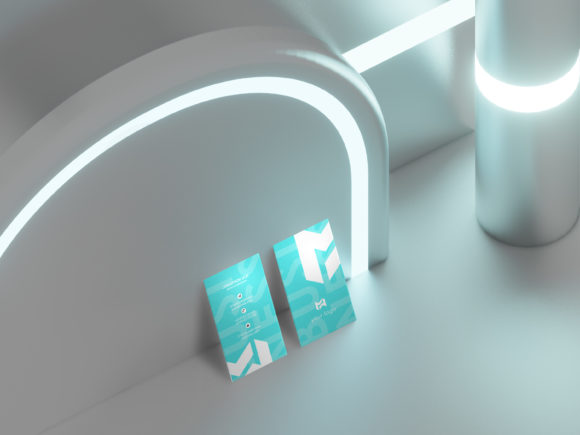
The Real Cost and Reward of 3D Business Card Design
You pull it out of your pocket. It feels heavier than a standard card. The recipient angles it towards the light, tracing the raised logo with their thumb. They don’t just look at it—they experience it. That moment, where a piece of marketing collateral becomes a tactile object, is the quiet power of 3D business card design. It’s not simply about handing over contact details. It’s about leaving a physical impression that paper alone cannot achieve.
So what actually makes a business card “3D”? It goes far beyond a printed photograph with shadows. True dimensional design involves tangible depth. Think raised thermographic ink that sits above the surface, multi-layered laser-cut wood or acrylic, embedded metal plates, or silicone blends that curve and bend. The material choices are broad, but the goal is consistent: to make the person holding the card pause and engage.
Where a Dimensional Card Changes the Interaction
Most business cards end up in a pile, forgotten until they are recycled. But in specific scenarios, a textured or layered card changes the entire dynamic of a conversation. Consider the high-touch service provider. A wedding photographer, for example, might use a card with a soft, velvet-like finish and deep foil stamping. The card feels luxurious. It primes the client for a premium experience before they even browse a portfolio. The card itself becomes a miniature version of the final product—beautiful, textured, and memorable.
Trade shows are another environment where 3D business card design earns its investment. You are one of hundreds. Everyone hands over a flat, glossy rectangle. If you hand a potential lead a card made of layered acrylic with a cut-out center, you force a pause. They have to look at it from an angle. They might even ask, “How did they make this?” That five-second conversation is worth the higher cost per card. It is better to leave a strong impression on fifty people than to be forgotten by five hundred.
The Freelancer and the Solo Consultant
If you sell a service tied to your personal reputation, a standard card can feel underwhelming. A branding consultant who hands out a card with a smooth, pebbled texture and raised typography communicates attention to detail. It signals that you care about the small things, which is exactly what you want a client to believe about your work. It inherently justifies a higher rate. The card doesn’t just say “I am a consultant.” It says, “I am a premium choice.”
Matching the Material to Your Market
Different materials create different reactions. Knowing what message you are sending is essential before ordering a run of custom 3D cards.
Wood and Organic Materials: A laser-cut wooden card with a natural grain works exceptionally well for artisans, woodworkers, or coffee roasters. It tells a story of craftsmanship. When a client rubs their thumb over the smooth, raw wood, they immediately associate the business with authenticity and natural quality. It works best when your business actually values those traits.
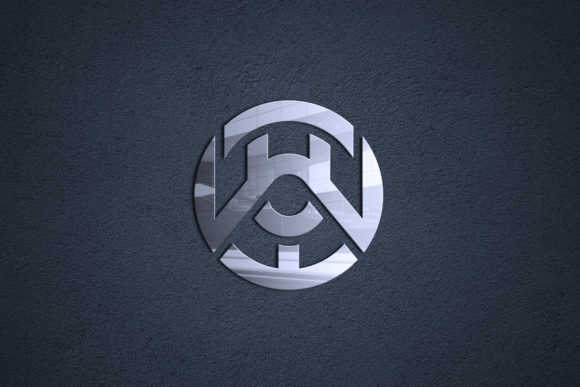
Metal and Brushed Finishes: Perfect for finance, tech startups, or high-end real estate. A brushed stainless steel or anodized aluminum card feels permanent. It communicates precision and durability. In a digital world, a metal card feels refreshingly solid. It is difficult to throw away, which is exactly what you want. It often stays on a desk as a paperweight or a fidget object, keeping your brand in view.
Soft-Touch Silicone or Rubber: This is a newer trend that works well for fitness brands, wellness coaches, or children’s products. The flexibility and softness create a completely unexpected tactile experience. It breaks the expectation of a rigid card. It signals adaptability and approachability.
The Hidden Value for Different Users
The usefulness of a 3D business card depends heavily on who you are and what you are trying to build.
For the entrepreneur: A dimensional card builds instant credibility. When you meet a potential investor or partner, handing them a premium object removes some of the uncertainty. It looks like you are already successful. For the marketer: It is about psychological recall. The brain stores tactile memories differently than visual ones. A textured card makes your brand name more sticky. For the side hustler or hobbyist: This is a way to look legitimate without a massive budget. A small batch of unique 3D cards can make a part-time baking business or photography side gig feel like a full-fledged agency.
Practical Considerations Before You Order
Jumping into 3D business card design without thinking about the logistics can lead to expensive mistakes. Here are a few realities to face before you hit “order”:
- The Wallet Test: Does the card fit standard card slots? Thick wooden or metal cards often do not. Recipients might admire the card, but if they cannot store it, they will leave it behind. A card that lives in a pocket is a card that generates leads.
- The Cost Per Impression: Dimensional cards cost significantly more. You need to know your numbers. If you close deals worth a few hundred dollars, a card that costs five dollars each is a poor investment. If you sell high-ticket services or products, the cost is irrelevant because one deal pays for the entire print run.
- The Durability Factor: A card must survive a pocket, a bag, and a coffee spill. Some 3D designs, like layered paper, can delaminate over time. Wood can scratch. Metal can dent. Choose a construction method that matches the wear and tear your cards will actually face.
- Brand Consistency: A rustic, chunky 3D card will look out of place for a sleek, modern tech brand. The physical feel must match the visual identity and the voice of the business. A mismatch confuses the prospect.
Connecting Features to Real Outcomes
It helps to think of every design element as a communication tool that creates a specific feeling.
Feature: Raised thermography or embossing. Outcome: The recipient slows down. They read the text more carefully because they are feeling the letters. Your name gets more attention. Feature: Multiple die-cut layers. Outcome: Visual depth implies expertise. It looks custom, which makes the business look established and detail-oriented. Feature: Integrated technology (like an NFC chip embedded in the 3D material). Outcome: It bridges the physical and digital flawlessly. You hand over a thick, impressive card, and then tap it to a phone to instantly save the contact. It feels futuristic without being gimmicky.
The Final Assessment: Is It Right for You?
3D business card design is not a general-purpose tool. It is a specific instrument for high-stakes interactions. It belongs in the pocket of someone who needs to be remembered, trusted, and perceived as high-value immediately. If you are a realtor showing luxury homes, a consultant pitching six-figure strategies, or a maker whose product is tactile by nature, a dimensional card is an extension of your work.
The best 3D cards do not scream for attention. They quietly invite the recipient to engage. They turn a simple transaction of exchanging names into a moment of genuine curiosity. When the weight, texture, and material all align with the message of your business, a card stops being a contact detail. It becomes a physical anchor for your brand in a noisy, digital world.